
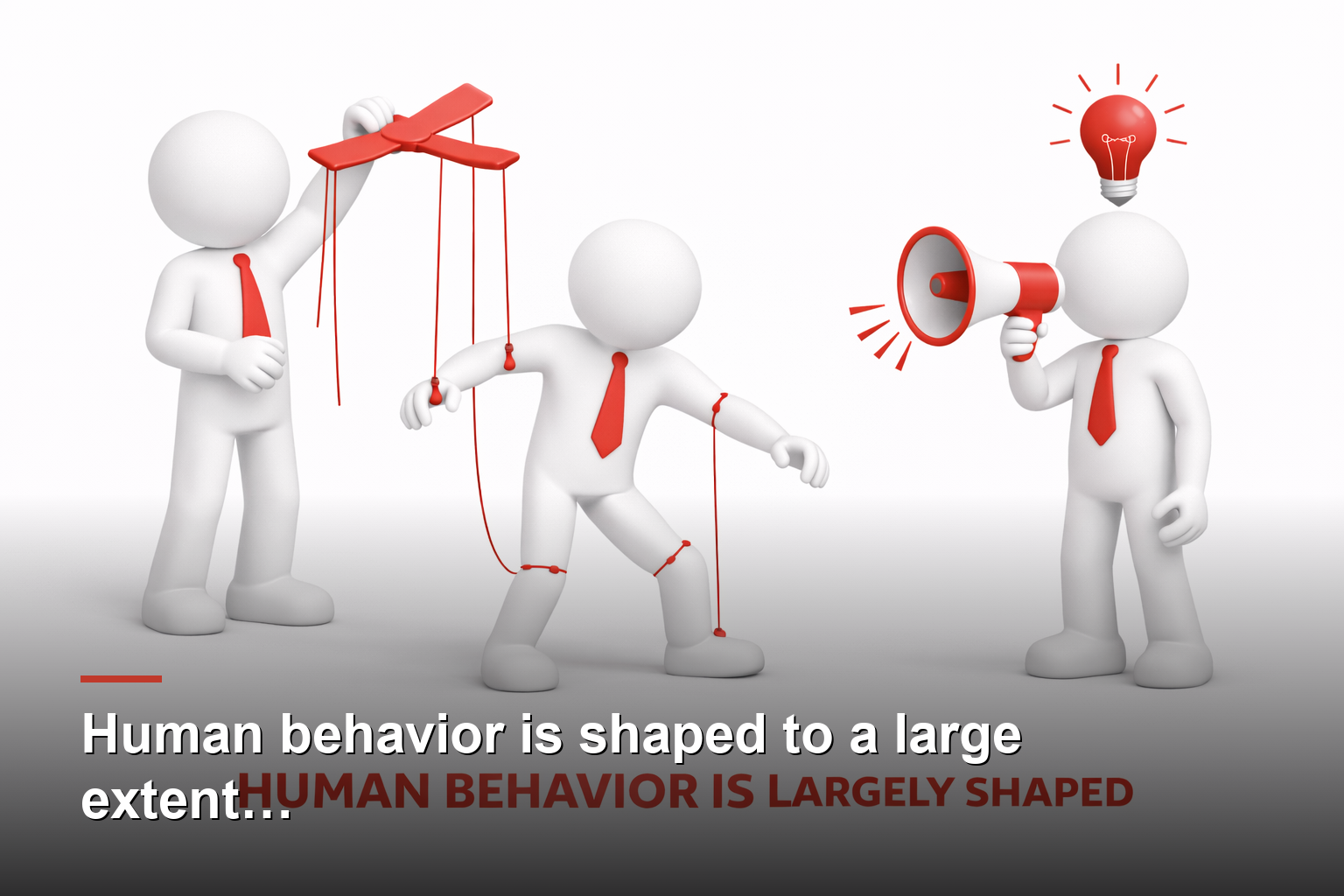
The quality of professional relationships guides career trajectories, performance and well-being. Relational capital influences choices, interpretation of events and emotional stability in organizational contexts. The people we work with shape daily decisions, influence priorities and define informal standards that over time become implicit criteria for behavior. Bandura’s social learning theory shows that group observation builds internalized norms and action patterns that guide conduct at work.
In the corporate context this assumption takes on an operational role. Relationships do not act as neutral factors. Every interaction changes the level of our professionalism. An environment with dysfunctional behaviors normalizes dynamics that lower the quality of decisions. Clarity is reduced. The organizational climate slows down performance and weakens the ability to choose. Organizational well-being manuals show that the structure of relationships influences stress, psychological safety and the perception of fairness, elements that support or weaken internal motivation.
Strategic human resources management identifies relationships as a critical node in the value cycle. The behavior observable in groups affects commitment, performance and the quality of decision-making processes. The literature places the relational dimension among the factors that support sustainable performance and continuity of organizational systems. When relationships become inconsistent, manipulative or fragmented, the organization loses internal coherence. Managers go into reactive mode. The processes are based on emergency compensation rather than method.
Choosing healthy professional relationships represents a strategic investment. Surrounding yourself with people who maintain high standards, respect commitments, make clear requests and take responsibility develops environments that support discipline, attention and quality of decisions. Work psychology highlights how the quality of relational exchange supports professional identity, self-regulation capacity and sense of autonomy. In the work-related stress assessment models published by Inail, the link between effective relationships, perception of control and reduction of psychosocial risk factors emerges.
Working with solid people facilitates a culture of professionalism. It increases the quality of work and reduces costs resulting from turnover and inefficiencies, as shown by the main human capital management manuals. The informal structure of relationships becomes a lever that supports HR systems and stabilizes performance over time. Organizational research confirms that the quality of interpersonal exchange influences motivation, learning and the ability to maintain behaviors consistent with company objectives.
Some studies on HR management highlight that internal relations act as a governance mechanism and not as a boundary variable. High relationship standards define a context that fosters clarity, alignment and continuity. They become a component of the system, not an accessory factor. In the absence of this protection, organizations normalize ambiguity, produce invisible costs and fuel dynamics that compromise performance.
The relationship, in short, becomes a predictor of professional success. Choosing healthy environments is an individual responsibility and a strategic lever for HR systems. As Bandura states, “individuals build their own competence through observation of the actions of others”, reminding us that the environment is not a background but a force that directs our trajectory.
ESSENTIAL BIBLIOGRAPHY
Bandura A., Social Learning Theory, Prentice Hall.
Avallone F., Bonaretti M., Organizational Wellbeing .
Kaiser S., Ringlstetter M.J., Strategic management of professional services companies .
Womack J., Jones D., Roos D., The Machine That Changed the World .
WEBGRAPHY
Inail, Methodology for the assessment and management of work-related stress risk (2017) .
Springer, Strategic Management of Professional Service Firms .