
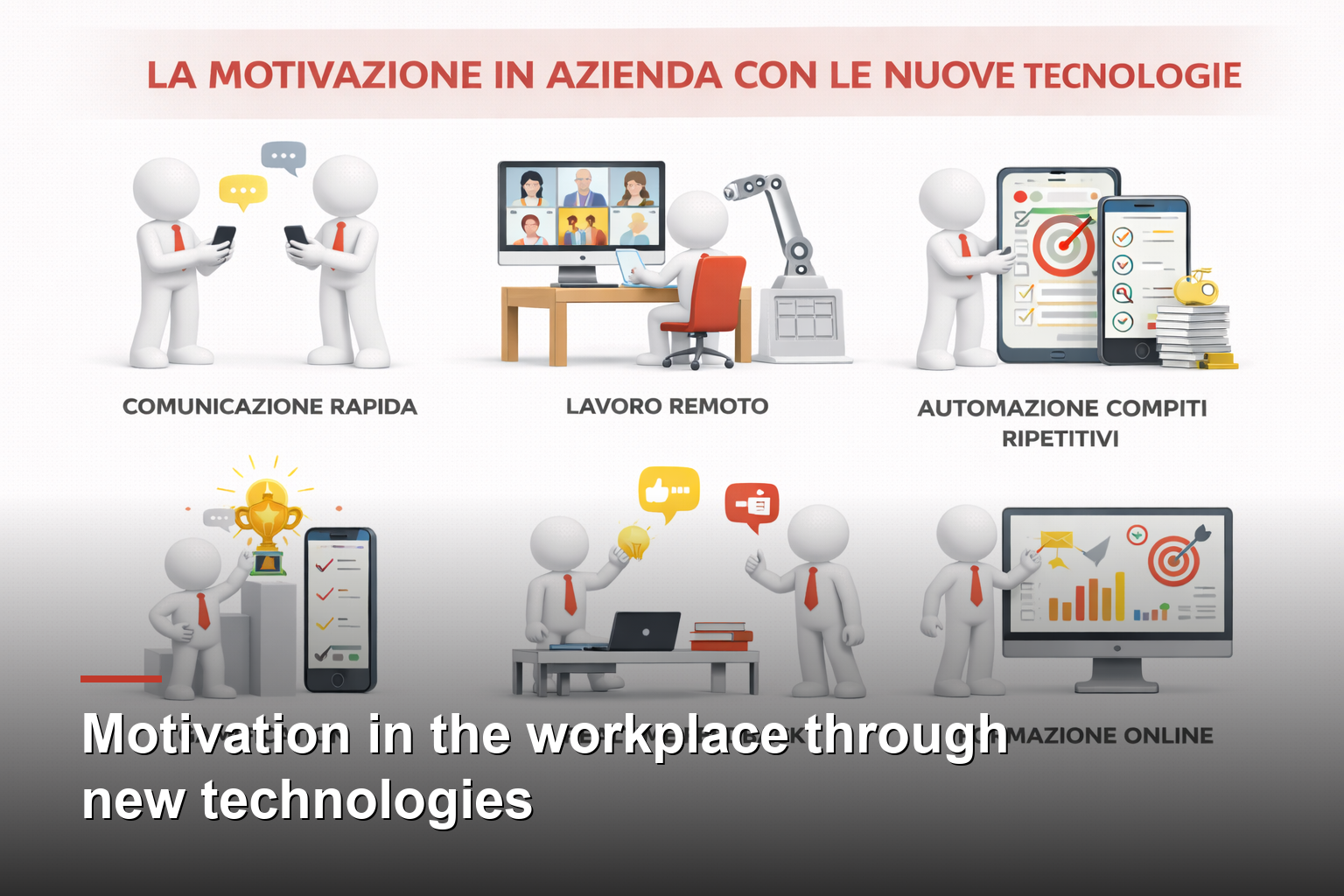
The internet, mobile devices and cloud technologies enable businesses and workers to be more connected than ever before.
Statistics show that in 2018, over 5 million people in the UK worked from home. Over 30 per cent of those who work remotely believe their productivity has increased as a result.
Unsurprisingly, companies are adapting to new working cultures to meet the changing needs of employees. Fortunately, there are new technologies that can help companies bring a degree of flexibility to a traditional office, fostering a culture designed to encourage high levels of employee engagement.
As every project manager knows, communication is KING. For many companies with employees spread across the globe, communication between colleagues on specific projects can be difficult. Slack, an online platform, aims to simplify this, for example. Slack allows employees and teams to communicate via open, private or direct channels with one another. Channels can be created for anything: teams, projects, topics and more. Slack also allows team members to upload files, PDFs and images. Its versatility facilitates communication and the flow of materials.
How technology is transforming motivation within companies is also demonstrated by cloud computing services, such as Dropbox – one of the simplest and most popular – which can make it easier to collaborate and work on documents and projects with colleagues working remotely. Employees can access and work on documents wherever they are. I mention Dropbox, but there are at least 10 other cloud computing services online: both free and paid. The point is not so much the tool itself, but how technology is transforming motivation within the company. The simple fact of being at home and managing working hours completely independently, with the support of these cloud computing services, gives employees freedom and therefore motivation.
Therefore, the real commitment of employees is not simply the work itself. Employees need to be told whether their performance is good or not. So they want to be assessed. New technological tools can help with this by offering the chance to give and receive feedback on projects and objectives in real time. Apps such as Impraise and Reflektive allow team members to connect and can help employees request and receive feedback in real time. These apps track employees’ progress, enabling instant feedback at any stage of the project cycle. Impraise, in particular, also allows employees to request targeted feedback immediately, whenever they need it.
There is no doubt that, as work culture changes, companies that evolve accordingly can foster greater flexibility in the workplace. The beauty of the workplace lies in the culture offered to its employees. The few applications highlighted here, along with many other new technologies, can certainly help to promote greater collaboration and engagement among employees, regardless of where they are located.